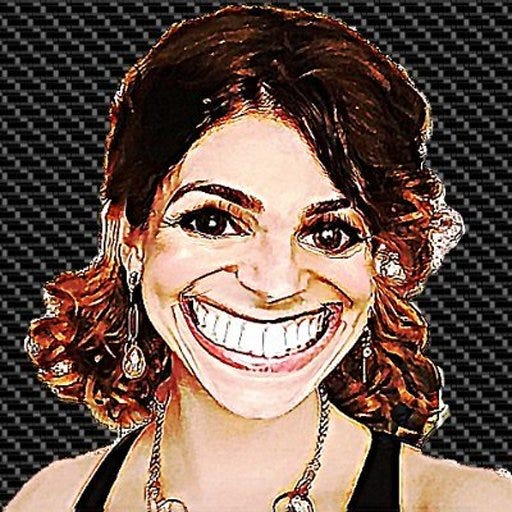
OG: Approved - Carter Amelia Davis
Featuring the Next Generation of Storytellers Rising from the Creator Economy
Welcome to OG: Approved—where rule-breaking creators shape the future. Hand-picked by Open Gardens, they’re not following the playbook—they’re writing the next one.
Name: Carter Amelia Davis
Instagram: 15K Followers
Tik Tok: 47.6K Followers
Youtube: 28.2K Followers
Who Is Carter Amelia Davis?
Carter Amelia Davis is an independent animator based in Minneapolis. She has been making surreal, unnerving shorts for nearly a decade, developing a visual style that is entirely self-taught and shaped through trial, error, and a long run of happy accidents. The work is funny, but it rarely lets you relax. You laugh, then realize you feel a little off, and you’re not sure why.
She did not come to animation through a traditional pipeline. Writing was her first creative focus, and she self-published a novel, Until You Continue To Behave, in 2019. During that process she burned out on words and began moving toward visual art instead. That shift led to rough animated GIFs, which slowly turned into pieces with dialogue and music. Before long she was telling small stories, usually around a minute long, and pushing each one a little further than the last.
Those early works lived online. She posted them to YouTube and social platforms without a release strategy or a festival plan. The work found an audience because it stayed consistent in tone and unmistakably personal. The characters were awkward, the bodies moved in uncomfortable ways, and the jokes lingered instead of resolving cleanly. People came back for the feeling, not the format.
As her confidence grew, the work expanded. The shorts became longer and the stories heavier. That path led to Homemade Gatorade, a nine-minute animated short that plays like a late-night road trip slowly drifting into disillusionment. The film draws from her experience as a trans woman living through the early months of Trump’s second term, but it avoids direct commentary. Instead it follows a character who would rather chase a deeply flawed idea across state lines than admit failure, letting the anxiety sit underneath the comedy.
The way the film was made says a lot. Carter wrote it in January and animated from February through May, completing nearly all of it alone in her room. She works primarily in Photoshop and After Effects, using a collage-based style that leans into limitations instead of fighting them. Voices were recorded remotely over Discord by friends, with her wife voicing the lead character, and the music came from collaborators she already trusted. She works straight through the story, moment by moment, because each beat needs to build on the last.
Homemade Gatorade was the first film she ever submitted to festivals. That decision was driven less by strategy than by response. People reacted strongly to the film online, and she wanted it to have a wider life. It was later selected for the 2026 Sundance Film Festival.
Alongside the films, she has built a direct support system around the work. Patreon funds ongoing projects across different “lump” tiers, and a merch shop sells prints and published material tied to the same visual language. These are practical tools that keep the work moving and independent.
What’s striking is how little the voice changes as the scale shifts. The short social pieces, the longer films, and the experiments shared with supporters all feel cut from the same cloth. Nothing feels bent to fit a platform or smoothed out for reach.
Her path has never really been about choosing between the internet and the festival world. The work lived online first. Festivals amplified it later. The center has stayed the same: making the work she wants to make and putting it where people can find it.
Three Things We Love About Carter Amelia Davis
She learned by making, not waiting: Her progression from rough GIFs to one-minute scenes and eventually to longer films came from consistent practice rather than permission or planning. Each step pushed the work forward without abandoning its core voice.
Constraints are part of the aesthetic: Working alone, using collage, and finding creative shortcuts shaped both the look and rhythm of the animation. The limitations are visible, intentional, and inseparable from the style.
Independence without isolation: Direct audience support through Patreon and merch allows the work to continue on its own terms. That structure keeps the films personal without turning them precious or inaccessible.