OG: Approved - Rampage
Featuring the Next Generation of Storytellers Rising from the Creator Economy
Welcome to OG: Approved—where rule-breaking creators shape the future. Hand-picked by Open Gardens, they’re not following the playbook—they’re writing the next one.
Name: Rampage (Ethan Yau)
Instagram: 147K Followers
Youtube: 353K Subscribers
Who Is Rampage (Ethan Yau)?
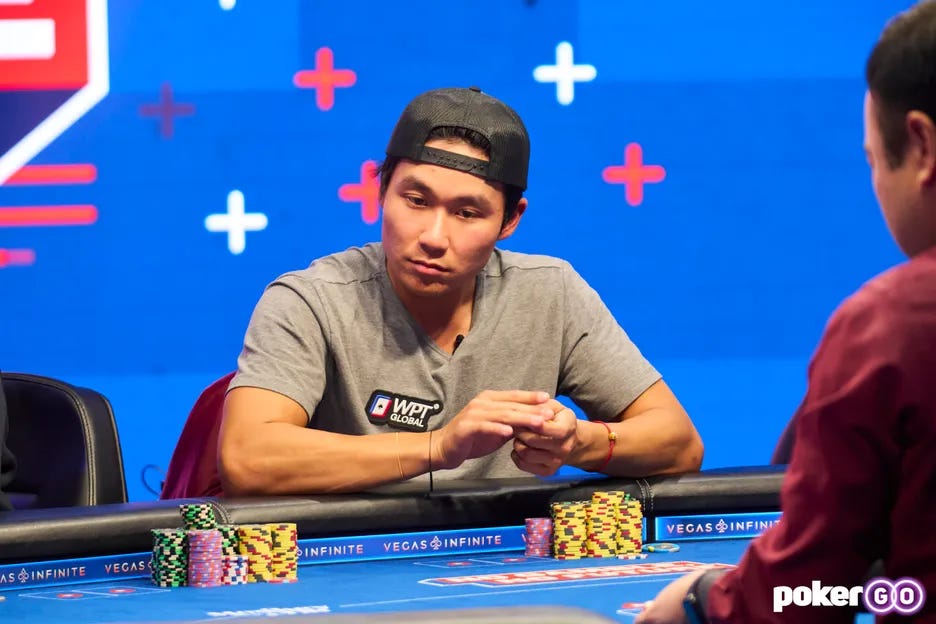
Ethan Yau, known as Rampage, started like most serious poker players, grinding low-stakes cash games in Boston while working a regular job and trying to grow a bankroll the slow way. He just happened to turn the camera on before anything big happened.
When he launched his YouTube channel in 2019, he wasn’t positioning himself as a seasoned pro. He was explaining hands, talking through decisions, and showing sessions as they unfolded. Wins were exciting but contained. Losses were uncomfortable and visible. Viewers weren’t watching a highlight reel. They were watching someone try to move up in real time.
The difference is that he moved up faster than most players would advise.
Rather than staying in small games and protecting his roll at all costs, Rampage kept taking shots. He jumped into bigger tournaments earlier than conservative bankroll management would recommend. That choice created tension naturally. Every vlog carried weight because the buy-ins meant something relative to his bankroll.
In 2022, he won a Wynn Millions event for over six figures, a result that shifted both his career and the channel. The score felt consequential because the audience had seen the build-up. It wasn’t a sudden breakout moment pulled out of nowhere. It was the payoff of a documented climb.
From there, the buy-ins escalated. Five-figure tournaments became normal. High-stakes cash games entered the mix. He appeared in streamed lineups alongside established pros. What didn’t change was the tone. He kept narrating the swings, explaining the risk, and showing both sides of variance.
The real shift, though, was how he brought the audience into the action.
Rampage regularly sells pieces of his tournament entries, allowing viewers to buy a percentage of his action and share in the result. When he runs deep, they profit alongside him. When he busts, they lose alongside him. That dynamic changes the relationship between creator and viewer. The sweat becomes shared rather than symbolic.
He also runs meet-up games and open events where followers can sit in the same field and play. The distance between personality and participant shrinks. Poker, which once felt like a spectator sport during the televised boom of the early 2000s, becomes something communal again.
Poker’s original surge came through television. The Moneymaker era was broadcast-driven and hero-based. Rampage belongs to a different generation, one that grew up understanding distribution as something you build yourself. Instead of waiting for poker media to elevate him, he built audience first. By the time he entered bigger rooms, he brought thousands of viewers with him.
His channel now functions like a season-long arc. There are bankroll targets, tournament series sweats, brutal downswings, and resets after big scores. The volatility is not hidden. It is the narrative engine.
Rampage did not revive poker alone, but he is part of the contingent bringing new energy into the game by making the climb visible again. Not through network cameras, but through uploads. Not through myth, but through math, risk, and repetition.
You don’t just watch to see if he wins. You watch to see how far he’s willing to push it.
Three Things We Love About Rampage
He made the climb the story: The audience didn’t meet him at the top. They watched him grind 1/2 and 2/5, take uncomfortable shots, brick events, and then finally break through. That context makes every big score feel earned.
The high stakes feel personal: A six-figure buy-in on television can feel abstract. On his channel, you understand exactly what that number means relative to the bankroll. The swings land differently because you’ve seen the build-up.
Modernizing poker’s entry point: Instead of television creating heroes from a distance, he built audience through YouTube and social. Meet-up games, streamed appearances, and open tournaments pull fans into the ecosystem rather than keeping them outside of it.