


Welcome to The Vertical Bloom, a weekly dive into the fast-growing world of microseries and vertical storytelling. Here, we unpack the platforms, creators, and deals shaping the format that’s quietly redefining what it means to make—and watch—scripted content in the mobile age.

This week, Vanity Fair examines the rise of vertical video, brands + creator partnerships redefined our editor Scott Brown shares his presentation from Creator Beach in Cannes.
But First-
We really are at a crossroads, aren’t we?
Cannes Lions was an incredible experience. If they continue doubling down on becoming a home for the creator economy, I’d recommend anyone interested in this space make the trip next year.
There’s something about gathering so many people from traditional media, digital platforms, brands, creators, and investors in one place that gives you a clearer view of where digitally native storytelling is headed. Verticals are an increasingly important part of that conversation, but they’re no longer the whole conversation.
Across dozens of meetings, I noticed a consistent feeling. There was optimism - real optimism - but also uncertainty. It wasn’t the uncertainty of people wondering whether verticals are a fad. Quite the opposite. Most people I spoke with seemed increasingly convinced they’re becoming a permanent part of the entertainment landscape.
The uncertainty is about how to fully address the sector from a business perspective.
We can all see that major vertical platforms are generating meaningful revenue. What we still don’t have are enough clear, repeatable examples of outside investors, producers, and studios putting money into a title or slate and generating exceptional returns. Every emerging medium eventually reaches the moment where the economics become undeniable. Verticals haven’t quite had that moment yet.
I don’t think we’re very far away.
One reason is distribution. TikTok’s deeper move into serialized storytelling may prove to be one of the most important developments the industry has seen. It shifts some power away from closed ecosystems deciding what audiences watch and toward an algorithm that rewards genuine audience engagement. The algorithm isn’t perfect, but it is far more meritocratic than traditional gatekeeping. As communities rally around great stories, quality has a better chance to win.
The other reason is something I discussed during my Cannes presentation, which you’ll find in full at the end of this week’s newsletter.
We’re beginning to see evidence that investing in better storytelling produces better business results.
As part of my talk at Cannes, I asked several companies that have deliberately bet on higher-quality programming whether they’d be willing to share any data supporting that belief. A few generously offered snapshots.
ALEX MONTALVO, CHIEF CONTENT OFFICER - GAMMATIME
“Our completion rates are about 6x the industry standard on our shows. Our shows are good, so people finish them.”
LILY DARAGH HARTY - DIRECTOR OF PRODUCTION - CANDYJAR
“Fight Dirty, released in May, is now our bestselling show, surpassing $1.2M in under one month. To date, CandyJar has 10M downloads and 1.7B episodes streamed. Users are streaming 80M episodes per month.”
TOMMY HARPER, CEO OF VEYOU
“Here’s what I can tell you that’s real: we’re seeing meaningfully better retention on series where the script is elevated and the story doesn’t rely on abuse or shock tactics. The content that holds an audience is the content that respects them.
That’s the datapoint. Not a vanity number - retention is the number that actually predicts long-term monetization, and it’s tracking higher on our quality-first titles.”
What excites me most is that these are still early signals.
More outside investors are entering the market. (Some unannounced ones that are even more interesting are coming too) More experienced producers are bringing ambitious projects into the space. New distribution opportunities are emerging beyond the dedicated vertical apps. Some of those bets are going to work.
And when that happens that uncertainty will give way to something new. It’s still early, barely three years in a lot of ways. Let’s keep it going, one story at a time.

Going Up? The (Continued) Rise of Vertical Video — Vanity Fair Vanity Fair examines vertical video’s leap from social-media novelty to a mainstream viewing habit — a useful mainstream temperature check for anyone still convincing skeptical executives or brand partners that microdramas aren’t a passing trend.
The 4 Types of Creator Partners — The Publish Press A post-Cannes breakdown of how brands now deploy creators as distribution, talent, directors, and consultants. Where brands are moving from sponsoring vertical series to becoming characters inside them.
More Romance Novels Than Ever Being Adapted For Streaming, Research Finds — Deadline New Ampere research finds 83% of first-run romance commissions are now scripted book adaptations, not reality dating shows — the same BookTok-fueled pipeline reshaping streaming that’s also driving demand for microdrama’s romance-heavy catalog.
The Great Studio Transformation: AI, Innovation and the New Business of Film — NAB Show NAB Show’s recap of Hollywood’s AI-and-IP pivot opens with microdramas, quoting former NBCUniversal chair Susan Rovner calling vertical series a rare growth pocket while the traditional studio business contracts around it.

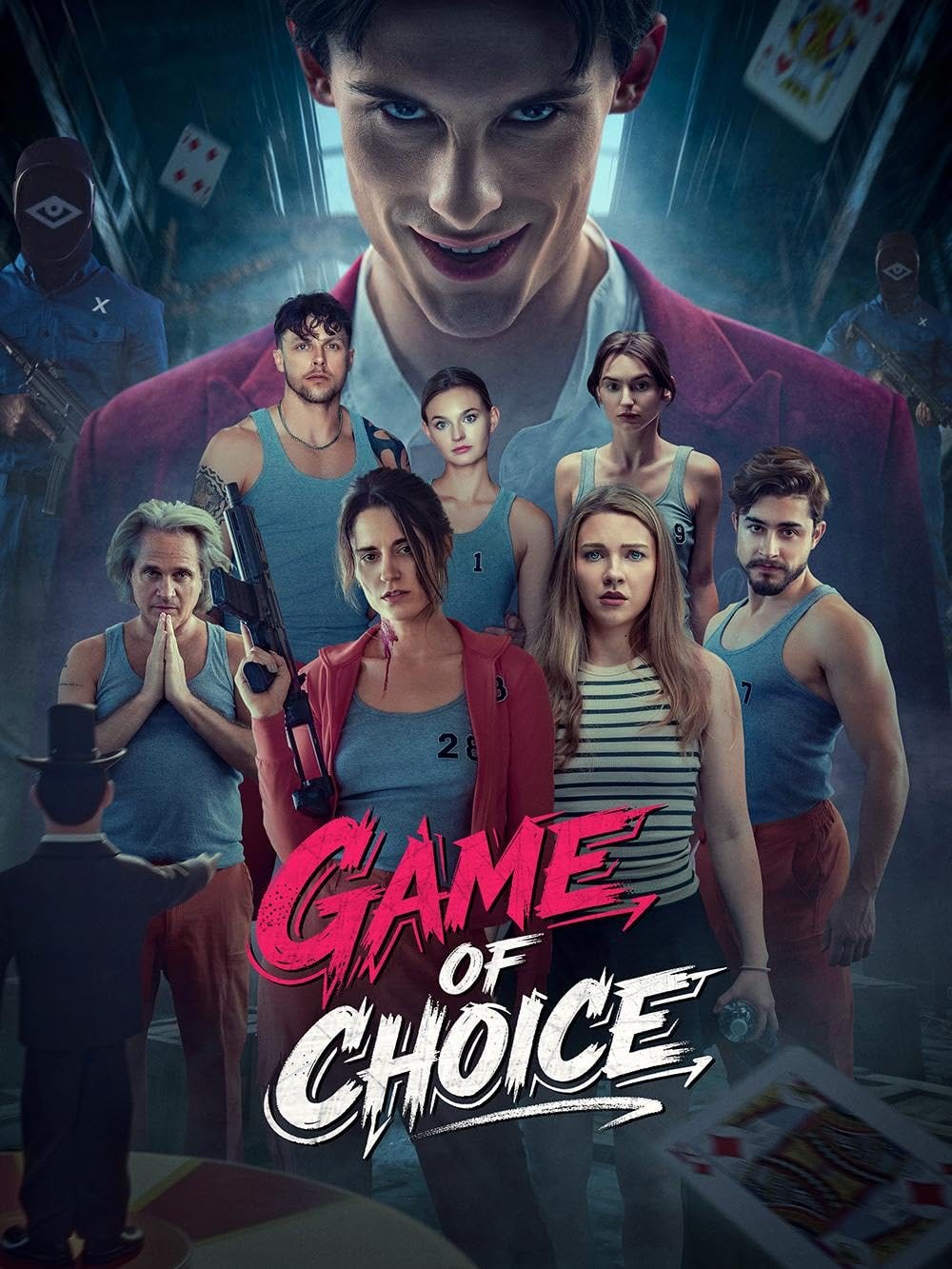
Game of Choice
Platform: TallFlix
Logline: After a fierce argument separates single mother Eve from her rebellious daughter Vicky, Vicky disappears, forcing Eve into Eden Island, a deadly competition where contestants must fight to save the people they love.
Genre: Psychological Action Thriller / Survival / Family Drama
This 65-episode TallFlix series Game of Choice keeps the emotional language of microdrama, leaning into heightened performances, family conflict, and unabashed melodrama. Once the characters enter the killing game, that intensity feels entirely at home, proving that genres other than soapy-romance can feel “right” in this format as well. The circumstances really are that extreme, so the tears, rage, fear, and enormous emotional swings become believable within the world.
The series then brings in its legacy elements through craft. Qianyu David Zhang’s cinematography uses dollies, cranes, and tracking shots to create a rare sense of scale and movement for the format. The lighting and color grade embrace shadows and atmosphere without sacrificing saturation or clarity on a small screen. Highly ambitious and well-executed stunt work adds another layer of scope. The cast completes the combination: Jackson Tiller brings remarkable emotional truth to a brief role, while Felix Merback makes Lafayette’s theatricality feel unpredictable, entertaining, and genuinely frightening.

THE END OF THE BEGINNING
Editor’s Note: This is the presentation I gave last week in Cannes. The panel with Hannah Stocking and Sasha Tkcachenko of Holywater dove into the vertical world, but I realized as I built it, and as I spoke to so many people on the Croisette, that more than ever, the conversation must be about the larger explosion of digitally native scripted content.
Here we go!
Hi everyone, and thanks for being here. In a few minutes I’m going to bring out two close collaborators, Hannah Stocking and Sasha Tchachenko, and we’re going to talk about the Microdrama Boom, and what it signals about the future for creators, platforms, brands, and really anyone with a story they want to tell and an audience they want to reach.
But before we do that, I’d like to provide a little history of what got us here.
I’d like to tell you a story.
Because I’ve spent most of my professional life searching for something.

A little about me. Hi, I’m Scott Brown. I’m the Founder of Second Rodeo Productions, and for almost twenty years I’ve worked at the intersection of traditional media and what we now call the creator economy.
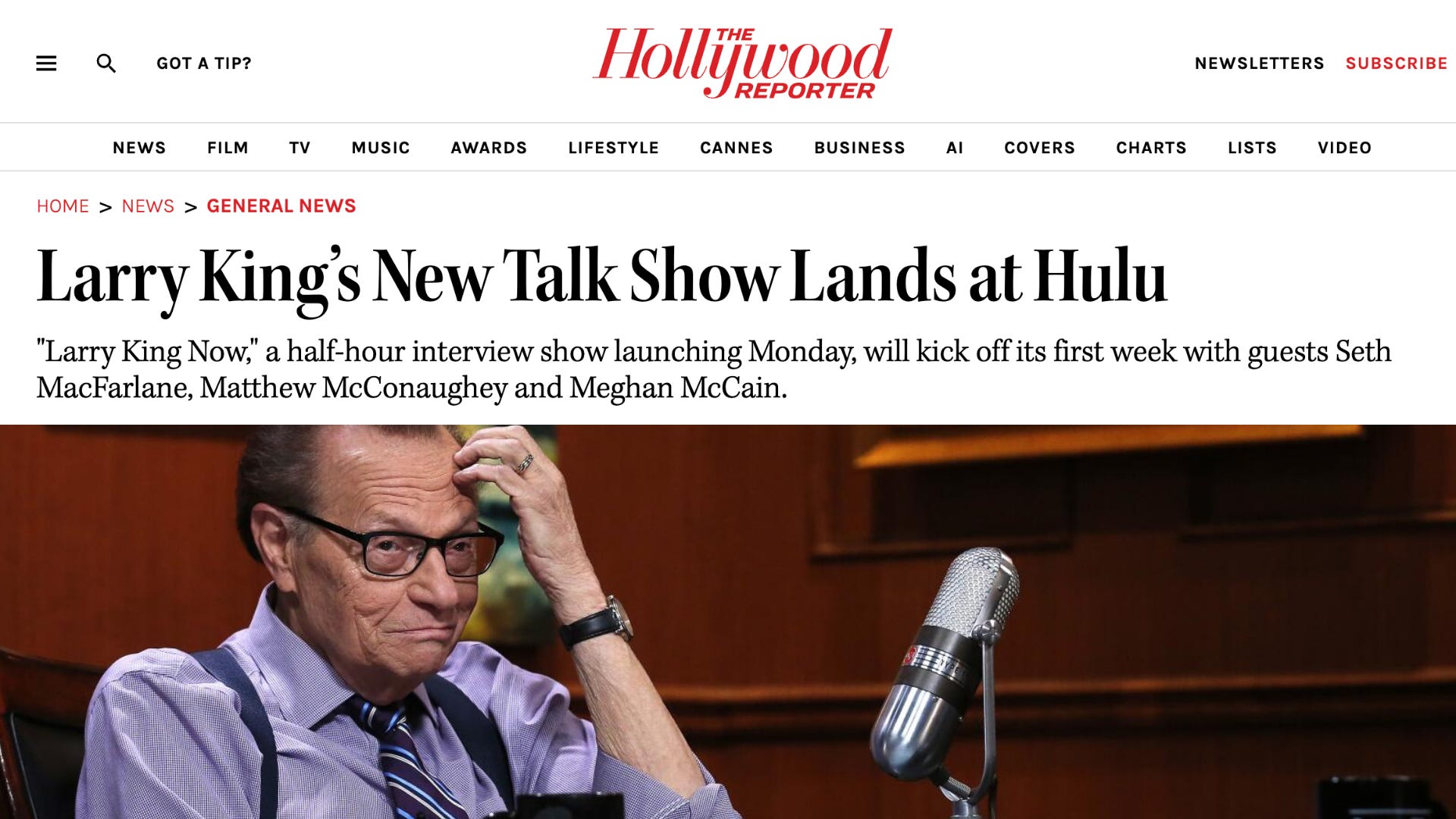
Starting in 2012 I directed more than 700 episodes of Larry King’s return to Hulu.
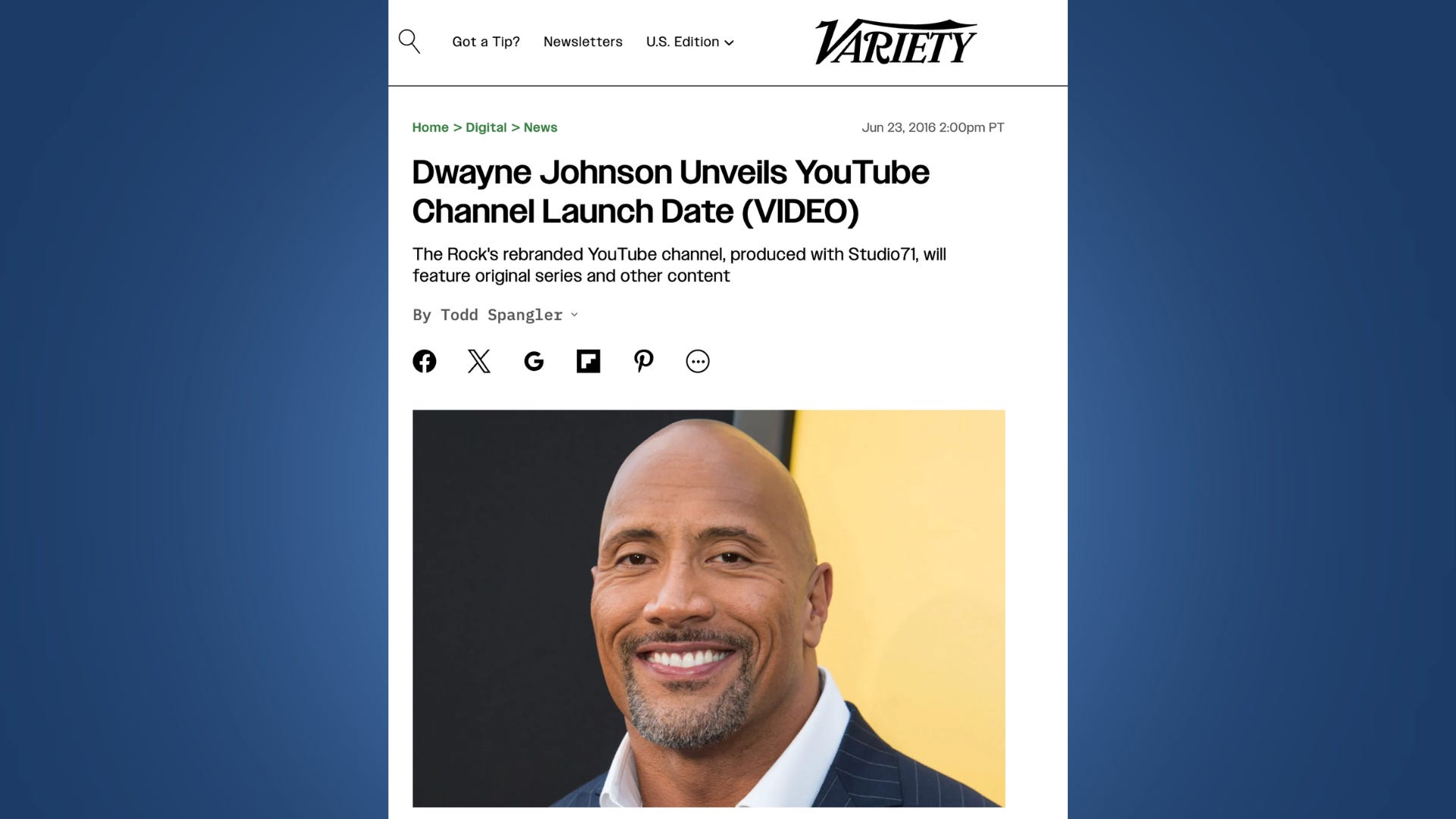
In 2016, I helped launch Dwayne Johnson’s YouTube channel and made a musical on YouTube with Lin-Manuel Miranda.
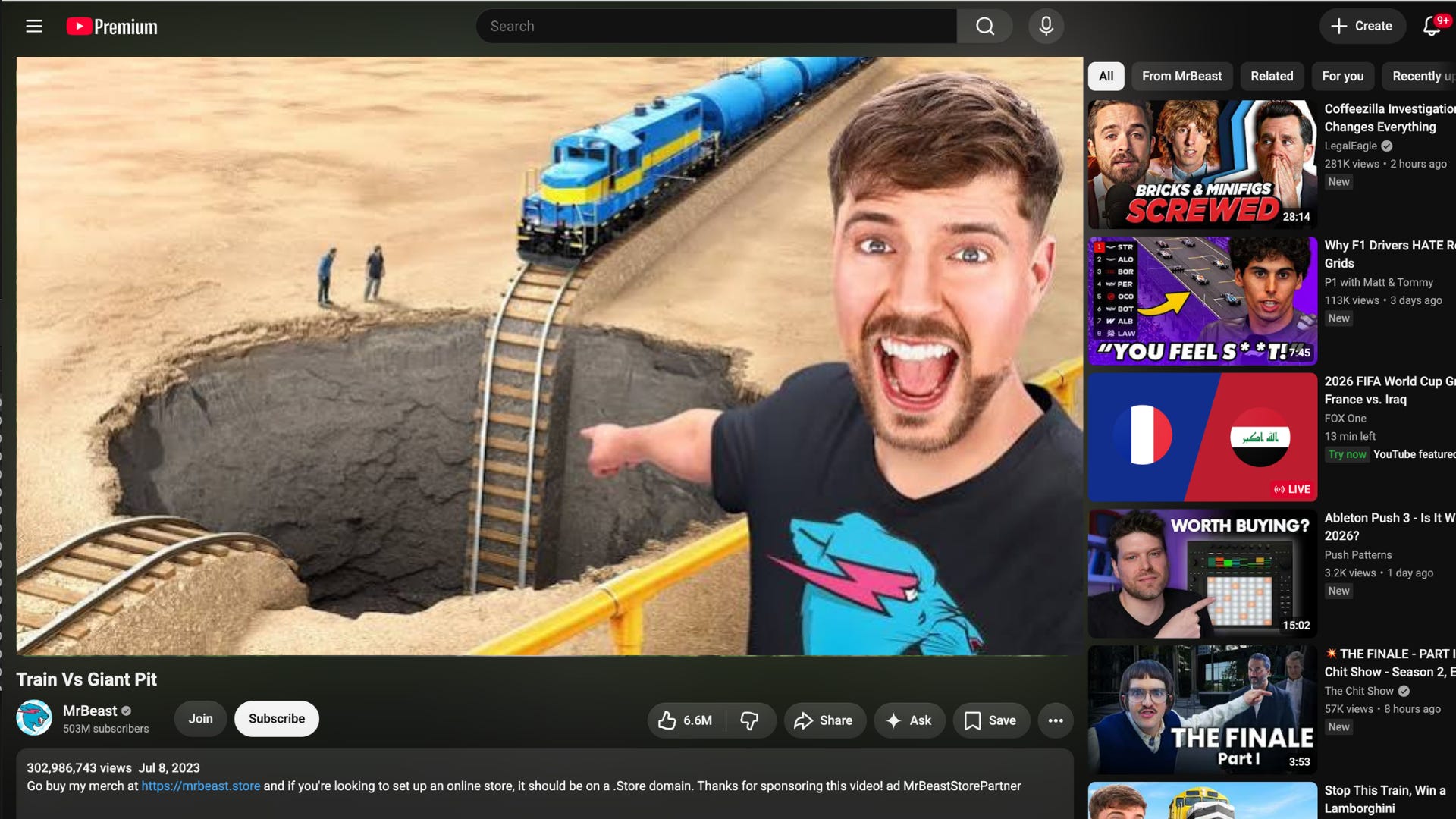
In 2023, I even crashed a train with MrBeast and helped create a video viewed more than 300 million times.
And through all of it, I was searching for something.
So what was I searching for?
You have to understand that I love scripted storytelling.
It’s why I got into media in the first place. I love films. I love television. The first things I ever made online were scripted web series. More than anything in my professional life, I wanted scripted entertainment to truly work on the internet. To become native to the home I had spent so much time in.
Not as a marketing campaign. Not because of a talented outlier. Not as a one-off success story.
I wanted a sustained audience desire to watch scripted content online. Stories made with actors and camera coverage and imagination. Stories supported by a sustainable business where creative people could thrive.
Every few years, a company would arrive and declare that digitally native scripted entertainment had finally arrived.
Sony Crackle.
YouTube Red.
Quibi.
And every time, I wanted it to be true.
But every time I looked at the audience behavior, every time I looked at the data, I came away with the same feeling.
My heart would sink and the data and the audience would tell me and the rest of the industry…
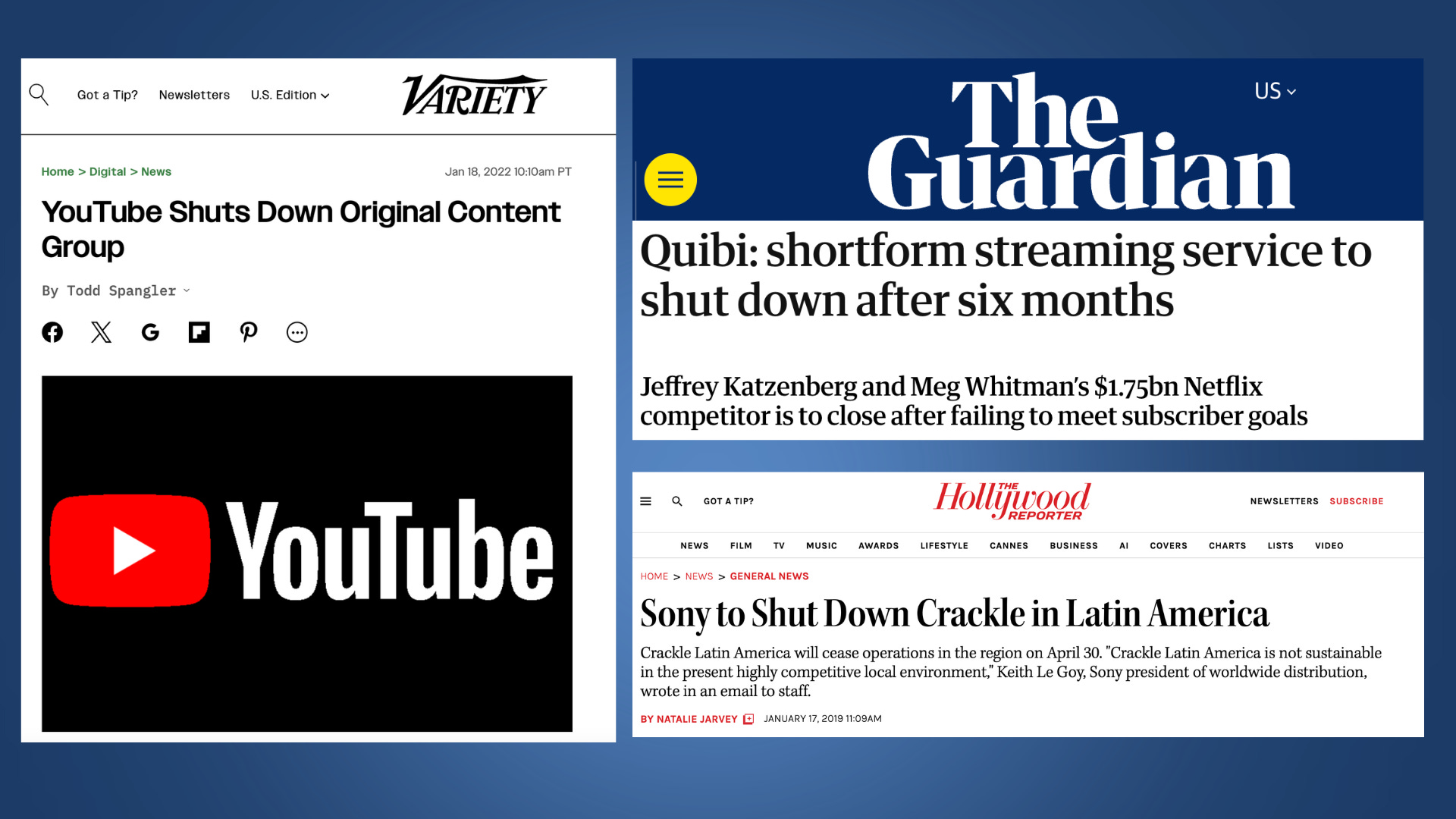
Not yet.
Then in February of 2024, a producer friend sent me an article about something called a short drama.
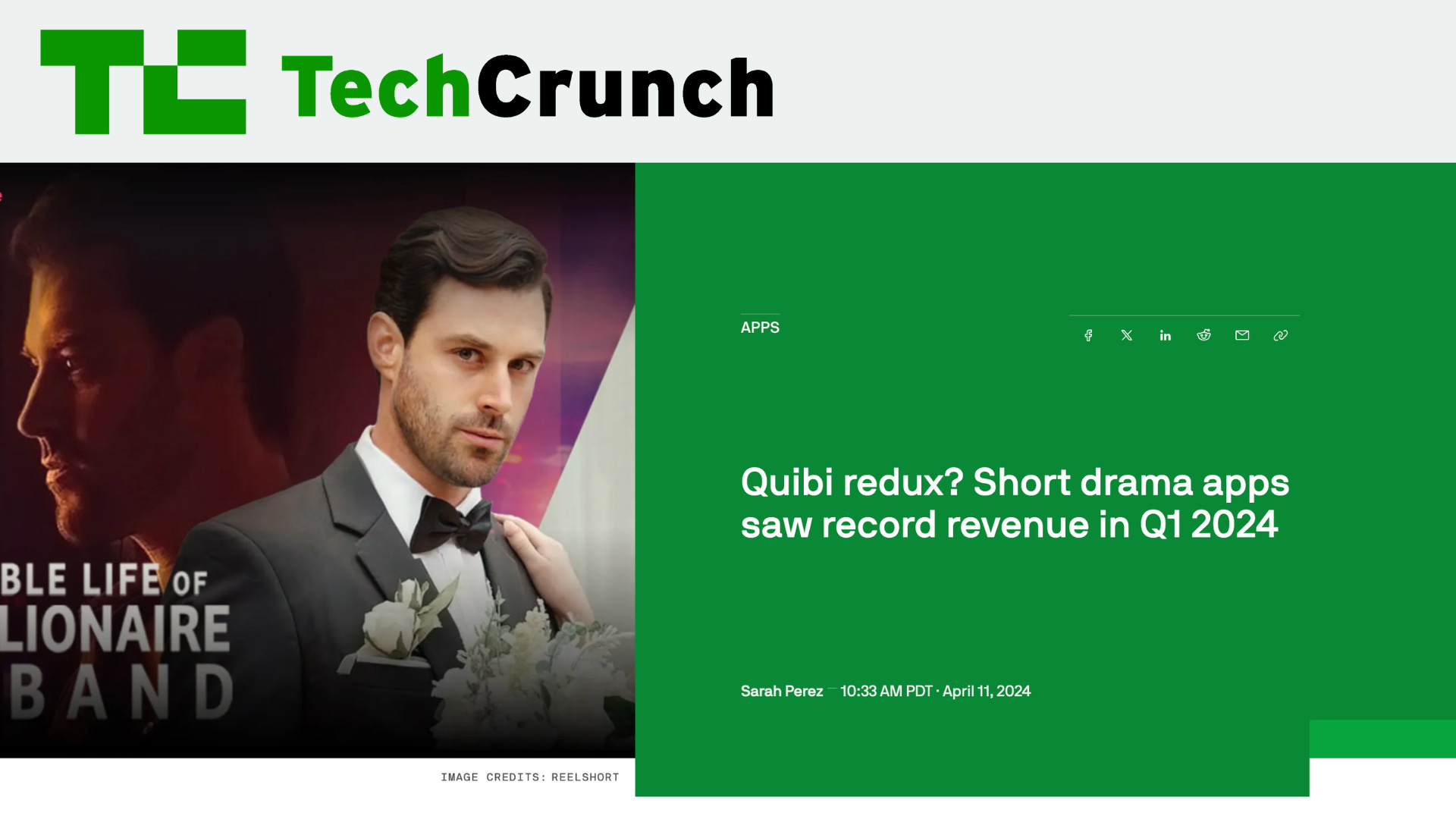
Today we call them microdramas.
And I followed the rabbit hole.
I read article after article, study after study.
But this time something was different.
My heart didn’t sink.
It flew.
Because this time, the audience was telling a different story.
And now, standing here at Cannes Lions, on the Croisette, I really believe I get to say something I’ve been waiting a very long time to say.
That thing I’ve been searching for?
I think I found it.
The article was about what we now call microdramas.
Now, what is a microdrama?
When people ask me that question, I usually ask another one.
What is a movie?
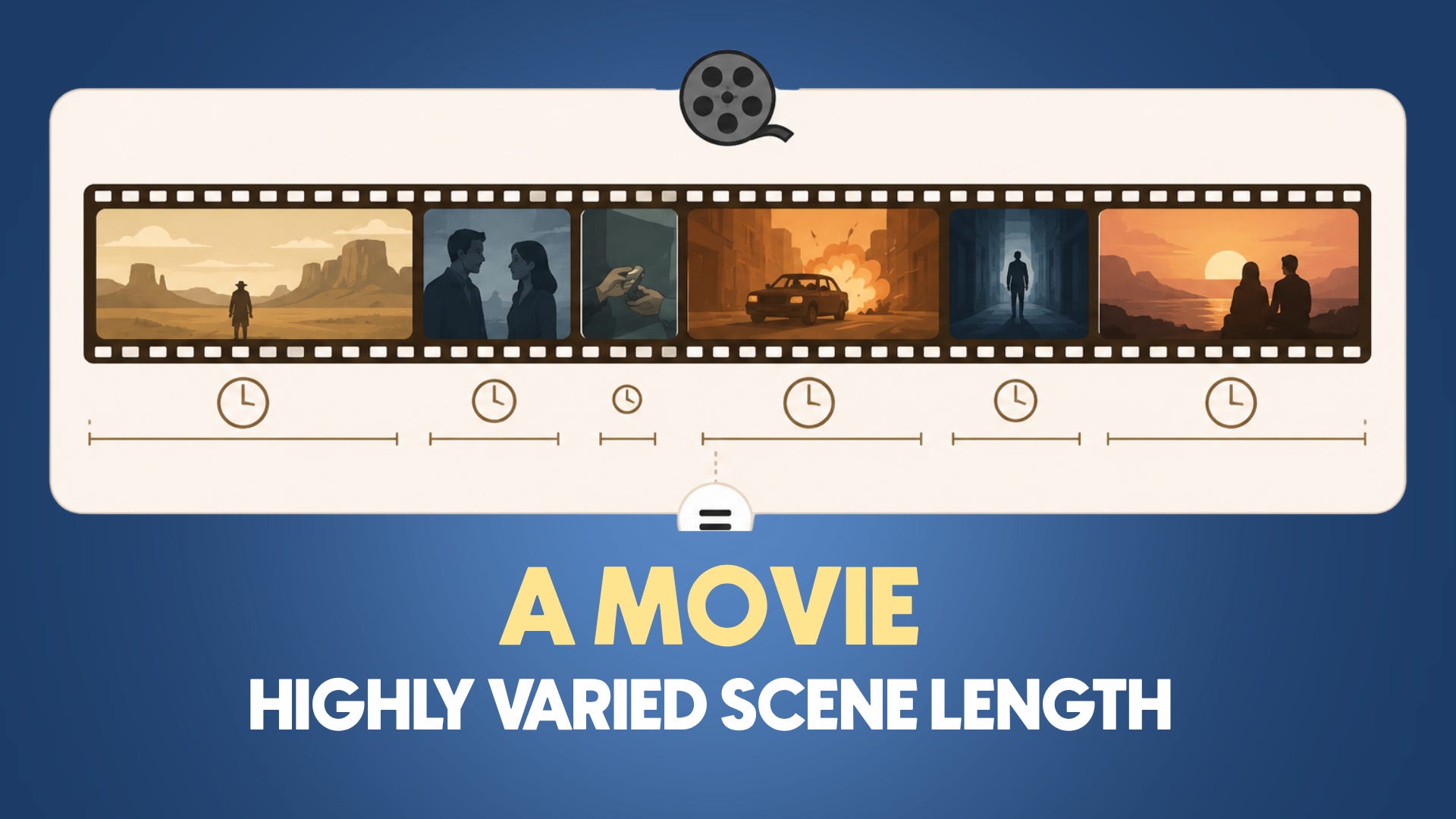
A movie is a collection of scenes that, when watched in their intended order, creates a sensation we call plot. People are willing to pay for plot.
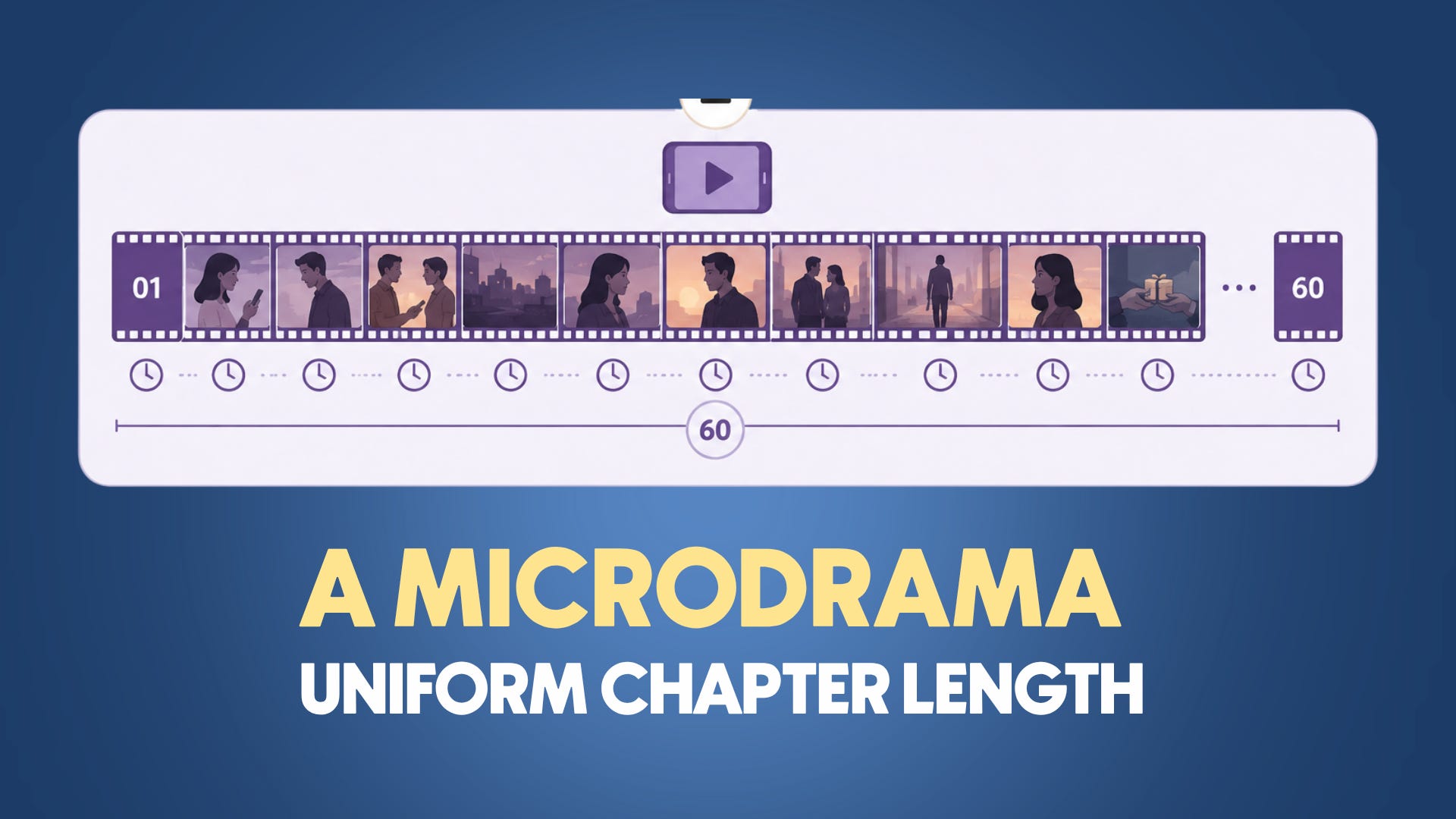
Now imagine those scenes are about seventy-five seconds long. Imagine they are divided into chapters. Imagine they are designed for the phone and shot vertically.
That’s the beginning of a microdrama.
Microdramas are conflict-rich and plot-driven.
These are stories moving at the speed of Tik Tok
Audiences often discover them through social feeds and advertisements that lead to dedicated apps, though that is beginning to change.
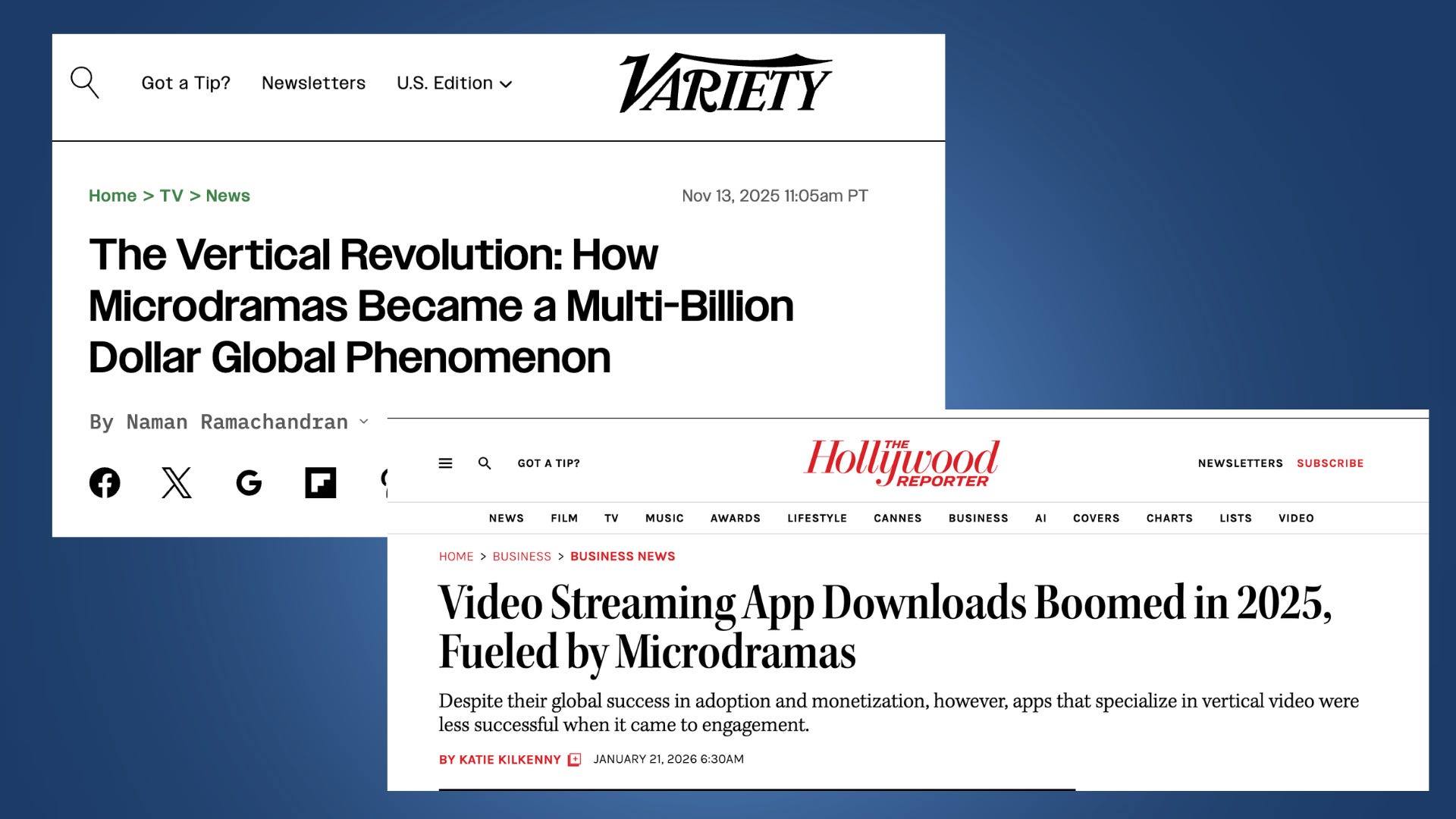
And while the industry borrows some monetization strategies from mobile gaming, the thing really driving more than a billion dollars in annual revenue and hundreds of millions of views is something much simpler.
People simply want to know what happens next.
And they are willing to pay for it.
That is an opportunity.
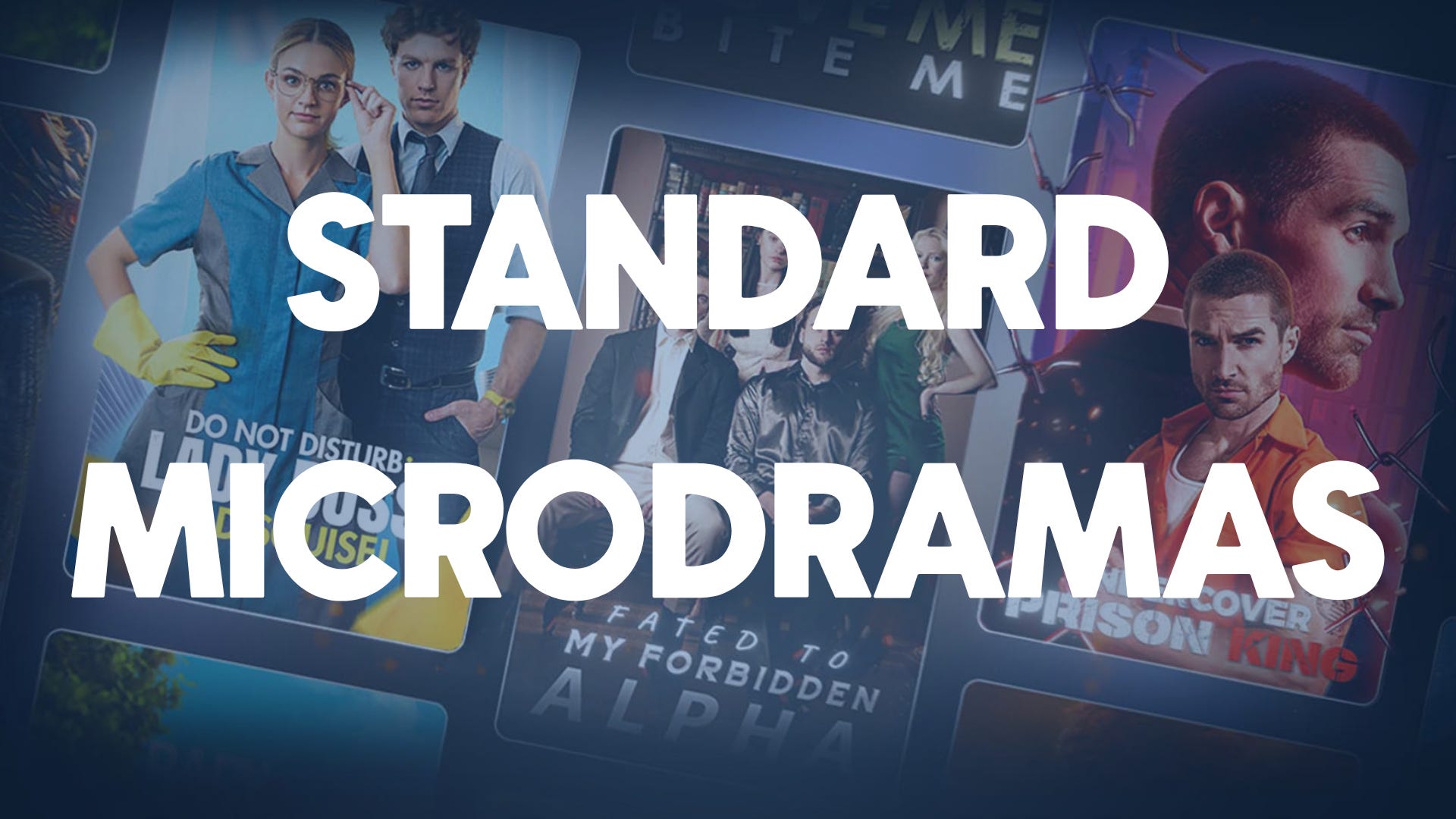
So where are we now in this microdrama boom?
Many people describe today’s microdramas as soapy. Romance-driven. Full of cliffhangers.
Sometimes executed in ways that don’t resemble traditional television or film.
That observation is worth examining.
Because history loves to rhyme.
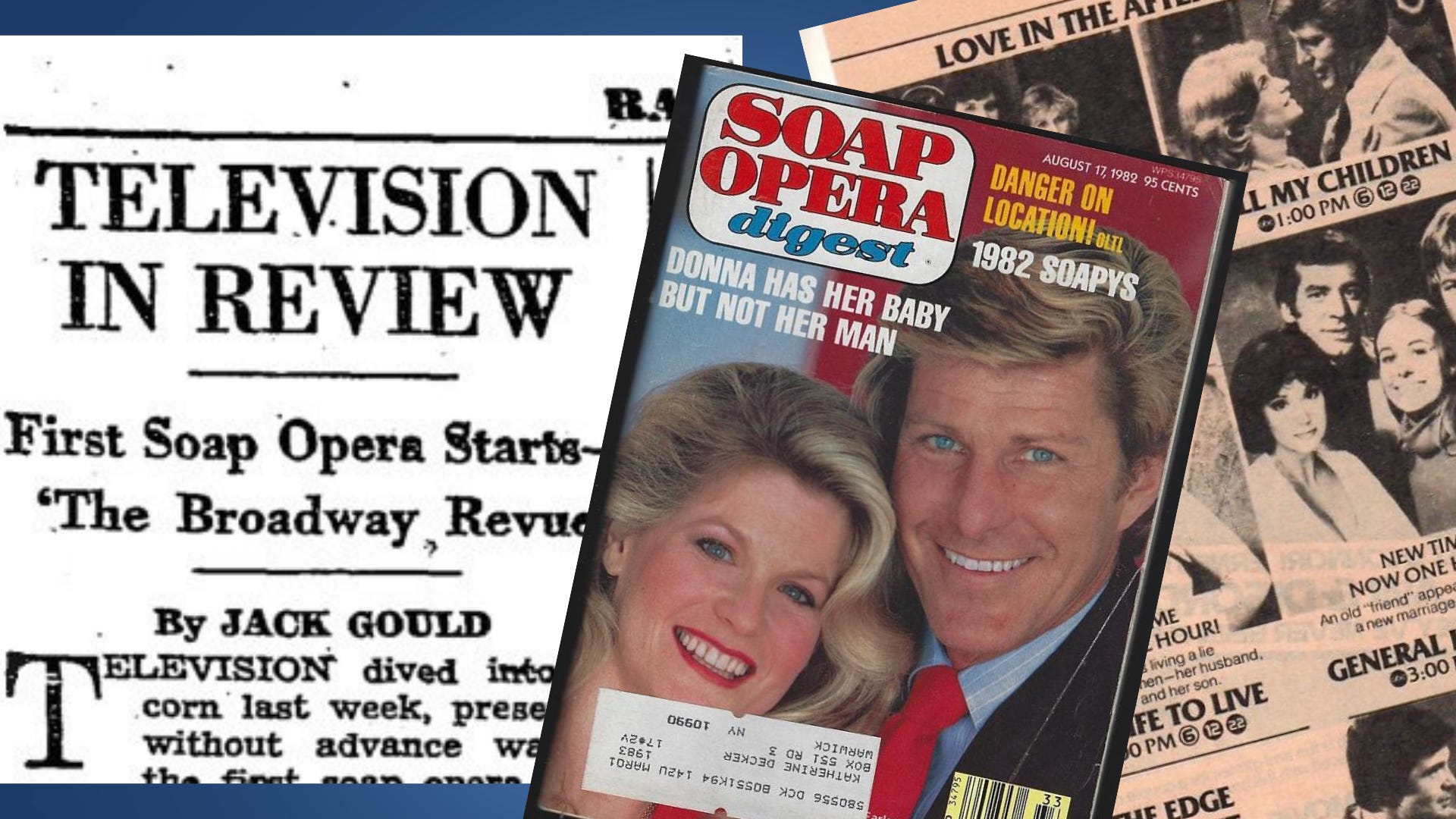
When television entered American homes, one of its first breakout formats was the soap opera.
Stories built to sell products.
They were enormously popular. Audiences were obsessed with them.
Cultural gatekeepers often dismissed them.
But that didn’t matter.
Because soap operas helped prove that television could become a legitimate storytelling medium.
And I think we are seeing something very similar today.
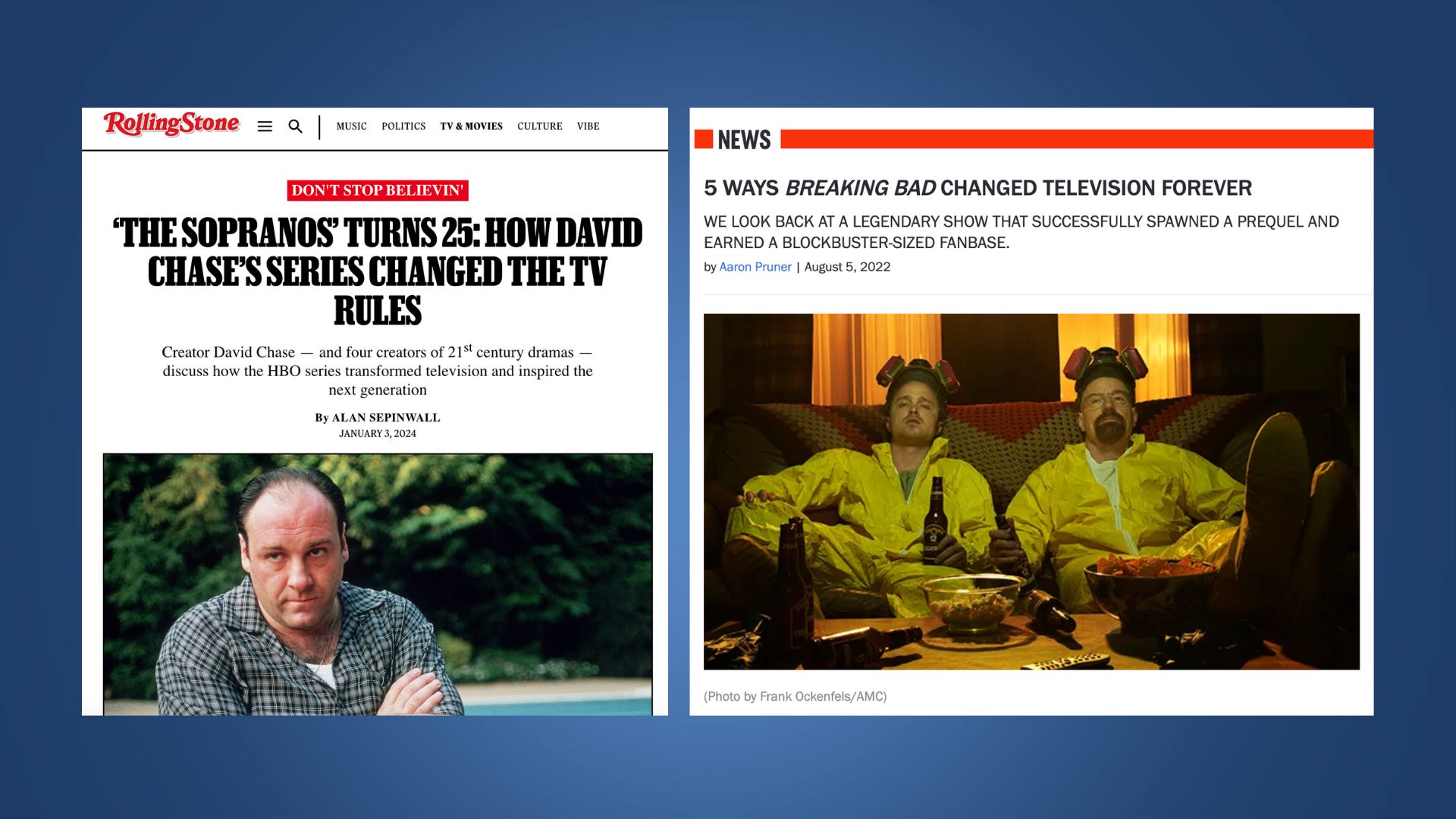
What’s fascinating is that in those early days, it would have been nearly impossible to predict that the same box bringing soap operas into people’s homes would one day bring The Sopranos, Breaking Bad, and the World Cup.
Because the first successful format in a medium is rarely it’s strongest product
And I think that may be one of the mistakes some people make when evaluating microdramas today.
They look at the current version and assume it is the destination.
History suggests it may be the beginning.
When I think about the future, I don’t think we should only be talking about microdramas.
They are one exciting format inside something much larger.
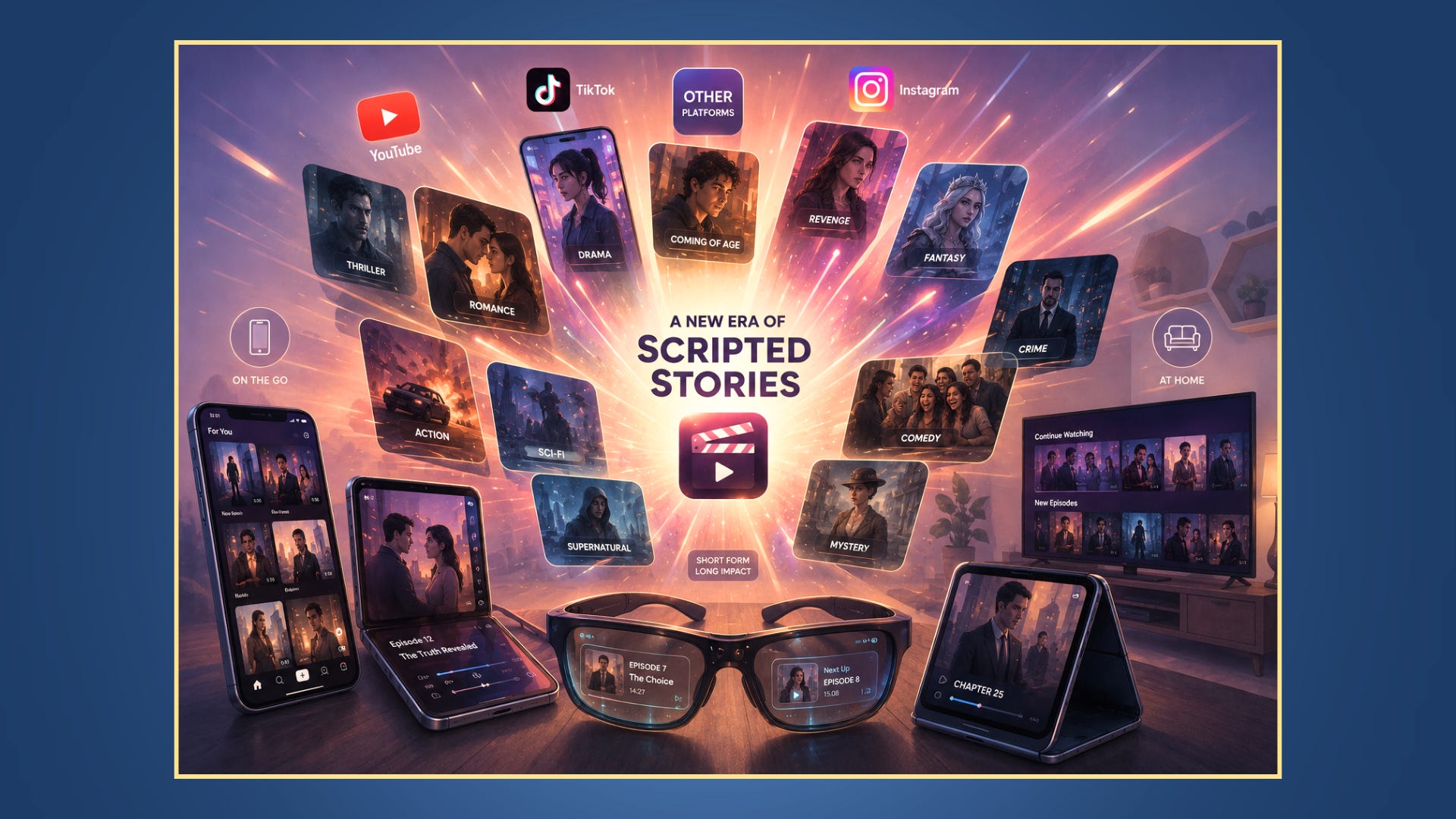
An explosion of digitally native scripted formats.
Vertical and horizontal.
Short-form and long-form.
Formats and storytelling structures we haven’t even discovered yet.
Because a future filled with digitally native scripted entertainment will not belong exclusively to Hollywood.
And it won’t belong exclusively to creators either.
We are entering a period of rapid convergence.
Creators becoming studios.
Traditional storytellers getting closer to their audiences through digital platforms.
Platforms evolving.
Brands becoming participants in entertainment rather than merely sponsors of it.
New intellectual property.
New franchises.
New stars.
New business models.
The distance between the people making stories and the audiences consuming them gets smaller every year.
That is a good thing.
Personally, I think it’s a great thing.
I opened this talk by telling you that I have spent my professional life searching for something.
And that now, I believe I’ve found it.
Scripted storytelling is finally becoming native to the internet.
Microdramas are one of the clearest indicators that it’s true.
But after making microdramas of my own, after seeing audiences embrace them, and after having the privilege of working with people like Hannah Stocking, a Forbes Top 50 Creator and HOLYWATER, whom FOX recently invested in, I’m more convinced than ever that this isn’t really the story.
The story is what comes next.
Right now - A lot of people in film and television believe that what I’m describing is the beginning of the end.
But it isn’t.
It is the end of the beginning.
For art and commerce, and all the amazing things that emerge when they converge.
For anyone with a story they want to tell.
For anyone with an audience they want to reach.
The time is now.
I spent twenty years finding this moment.
And I hope I get to spend the next twenty finding out what it means.
Thank you.
That’s it for this week’s Vertical Bloom.
We’re excited to keep building this into a weekly home for the ideas, experiments, and creative voices shaping vertical storytelling in real time.
We’ll be back next Thursday with more headlines, more analysis, and another look at where this medium is headed.
See you then.
Editor: Scott Brown
Writer: Franziska Harms